
Inside Multimedia’s new Belgrade office
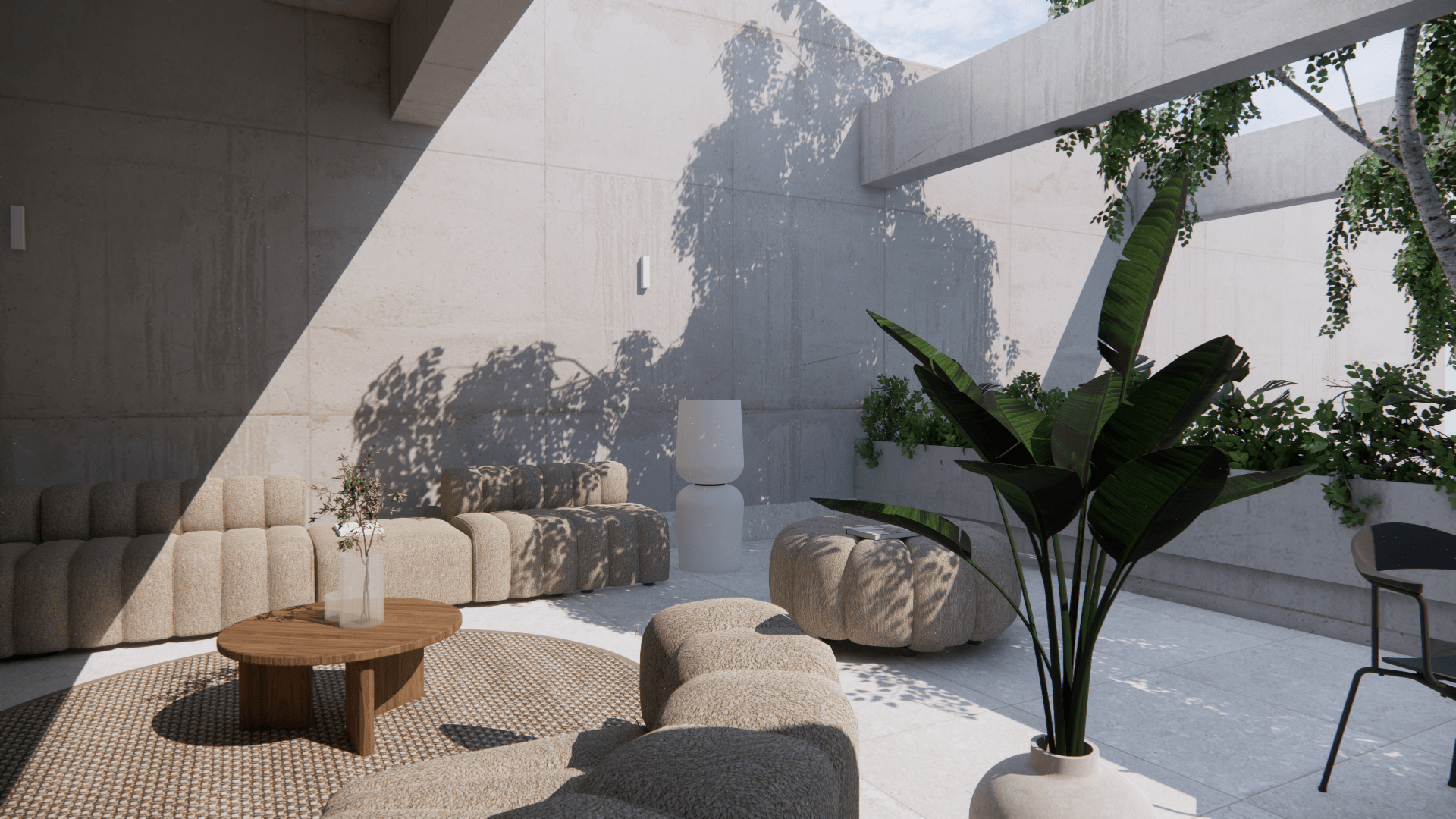
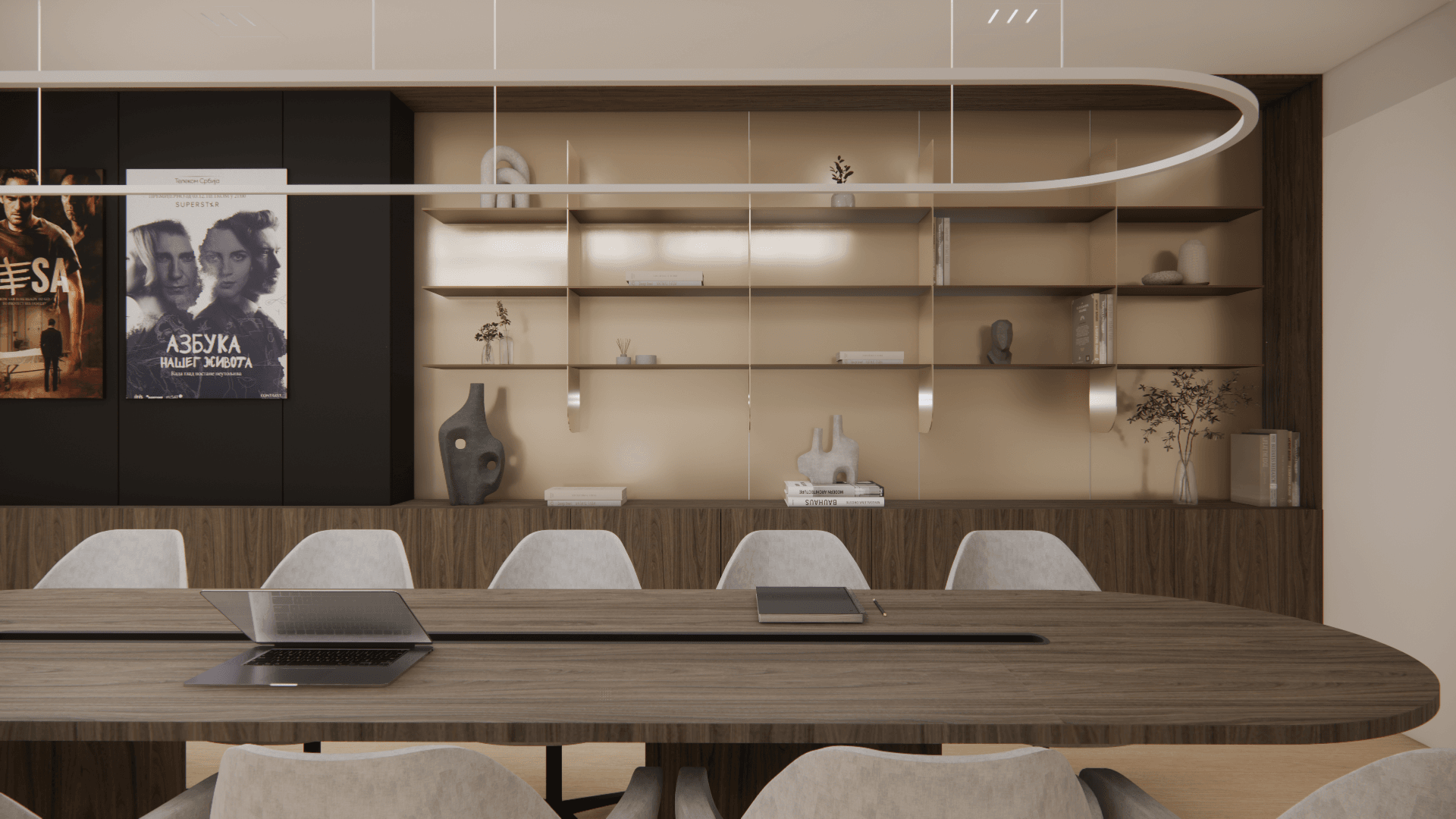
MAIN ARCHITECTS were responsible for the interior design of Multimedia's new office space at the Sava Center in Belgrade, and VOLUM3 was here to help as well. The project centered on transforming a naturally lit office with access to outdoor space into a workplace that balances professionalism and human comfort. By starting from emotional intention rather than stylistic trends, the team developed a comprehensive design narrative where every element, from warm wood finishes to curated furniture selections, reinforces a consistent sense of place.
We sat down with Matea Prokić from MAIN ARCHITECTS to talk about how thoughtful spatial design transcends functional requirements to create meaningful work environments.
Interior Design Approach
How did you approach the initial brief for Multimedia's office space at Sava Center?
When we received the brief, we recognized that the spatial context itself was already speaking to us. We approached the project by first observing how the space already functioned before any design decisions were made. The relationship between interior and exterior, the scale of the space, and the way daylight moves through it suggested a working environment that extends beyond traditional office boundaries. Instead of starting from a stylistic reference, we focused on daily scenarios: how people arrive, move, pause, collaborate, and disconnect. The design grew from those patterns rather than from a predefined visual language.
Before selecting materials or furniture, what questions guided your design direction?
We always start with atmosphere. We asked ourselves very simple but essential questions: Should the space feel grounded or light? Structured or relaxed? Should it energize or calm? Once those answers became clear, the rest followed naturally.
How did that translate into specific design decisions?
Warm woods helped establish stability and comfort. Soft, neutral upholstery introduced familiarity. Distinctive furniture pieces added personality without dominating the space. Every element had a role, but nothing was meant to overpower the overall experience. The same thinking applied to the terrace—it wasn’t treated as a separate amenity, but as an extension of the interior narrative.
How did you approach the terrace design, considering its notable role in this project?
We saw it as an opportunity to shift pace. The outdoor area invites pause, a breath of fresh air, a change in perspective before returning to work. Furniture selection and layout were shaped by that intention.
From a structural perspective, what were the key constraints of working within the existing Sava Center envelope, and how did they influence your layout and FF&E strategy?
The architecture of Sava Center carries a strong presence, so the challenge was not to compete with it, but to work in dialogue with it. Structural elements were treated as given anchors rather than obstacles, and the layout was organized to flow naturally around them instead of attempting to conceal or override them.
Ceiling heights, slab positions, and existing service zones also imposed clear limits on what could be altered. This pushed us toward a more restrained spatial strategy, where clarity and proportion became more important than formal gestures. Furniture placement and scale were carefully calibrated to sit comfortably within those constraints, ensuring that nothing felt forced or over-scaled within the existing framework.
Can you explain your approach to FF&E specification? How did you ensure consistency across every piece?
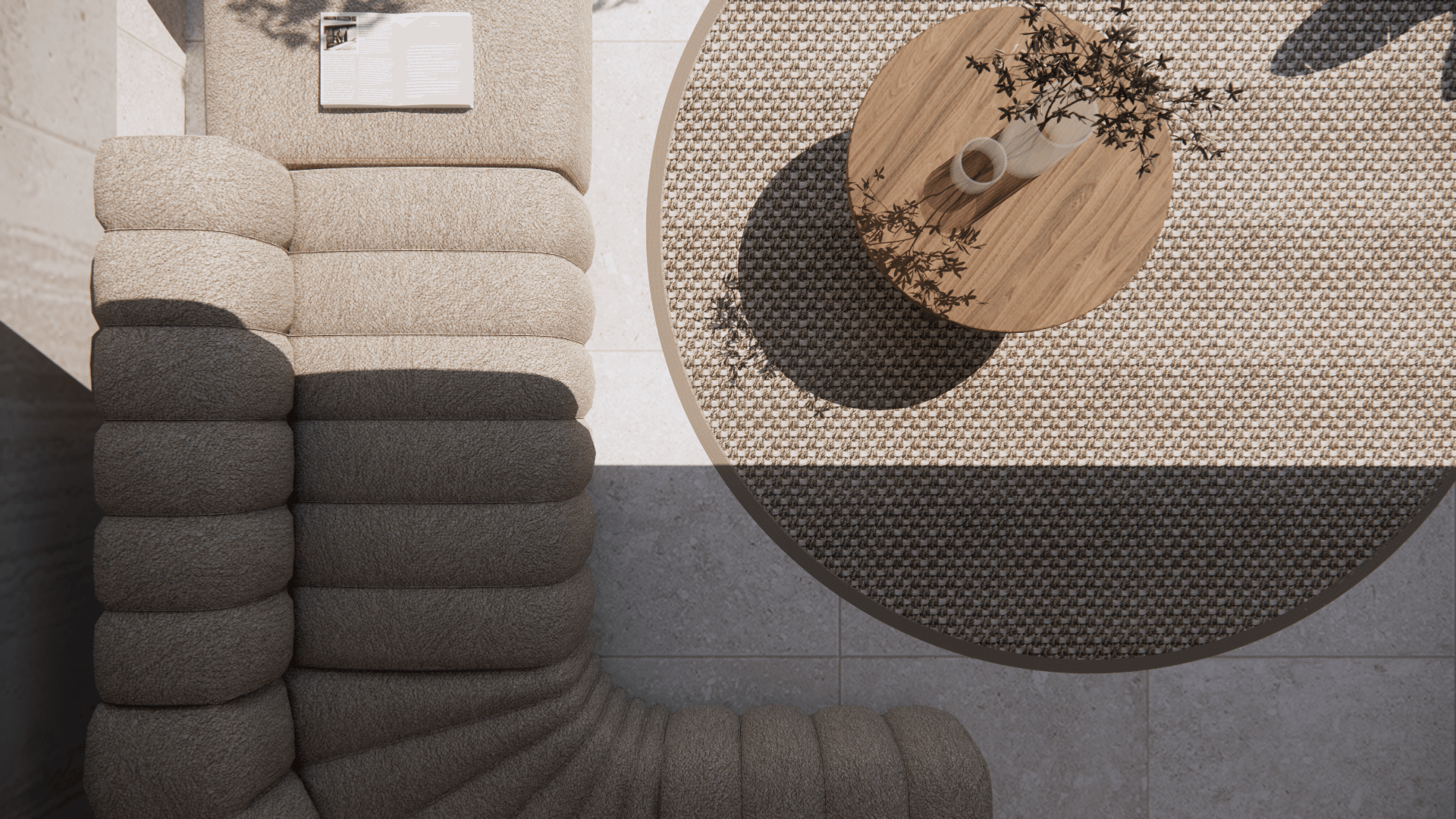
As the specification evolved, we began treating each furniture category as a narrative chapter. Nothing was chosen in isolation. The tone of the upholstery referenced the exterior stone. The meeting-room chairs carried the same calm confidence as the building's interior halls. Even the smallest details like stitching, leg finishes, or the tactility of armrests were curated to align with the larger story. This level of coordination requires a systematic approach, but it's what prevents a space from feeling disjointed or random.
How did you support that level of coordination?
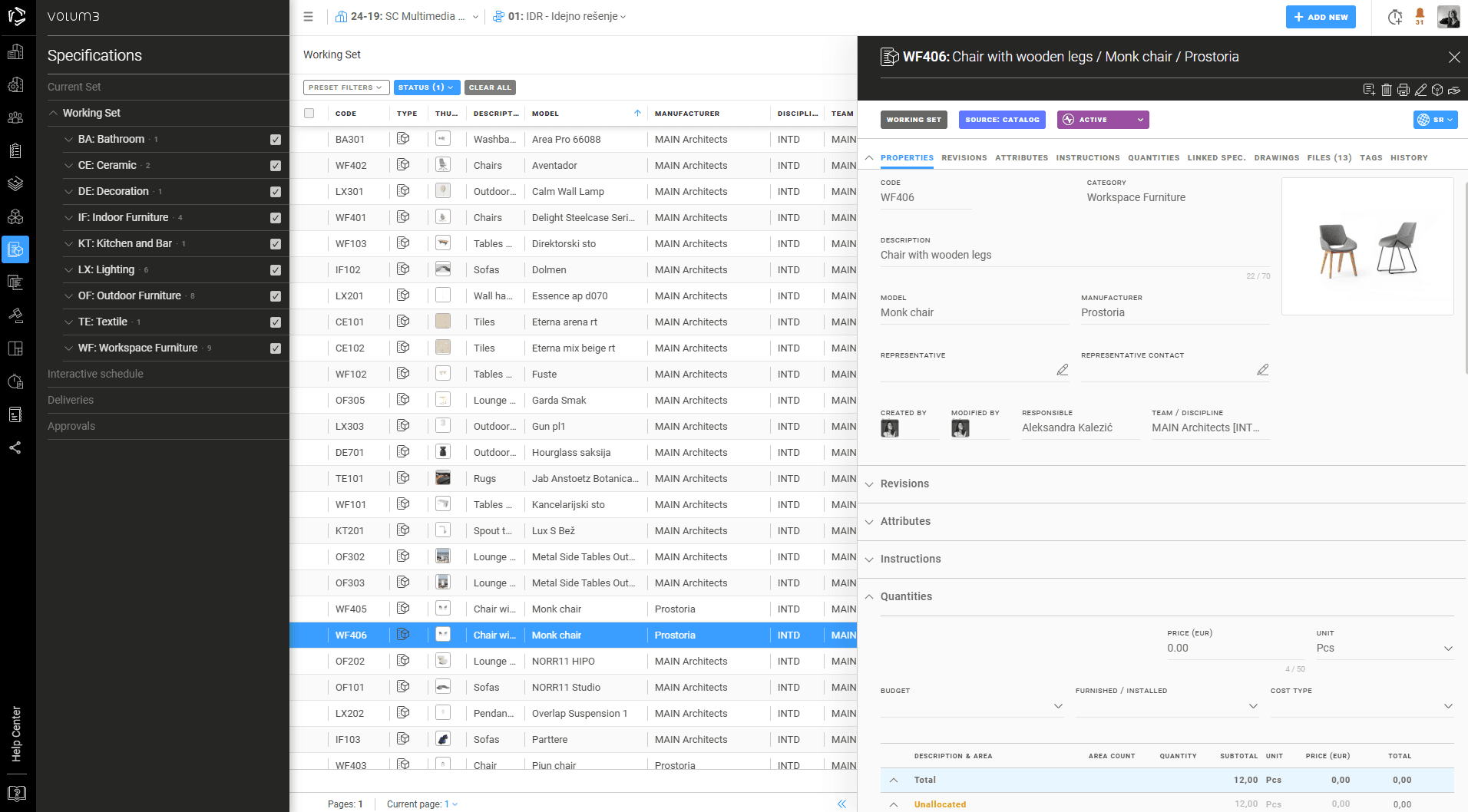
VOLUM3 became the central place where the entire story lived. Instead of fragmented documents and endless email threads, the complete FF&E specification existed in one digital ecosystem. We could track every item through multiple revisions, link materials, finishes, and suppliers, and keep everyone aligned—from the design team to the client and contractors.
Beyond organization, what impact did the VOLUM3 platform have on the design itself?
It protected the design intent. The narrative stayed traceable and visible throughout the process. What we envisioned at the beginning is exactly what arrives on site. In that sense, the platform didn’t just manage data, it preserved the story behind every decision.
How did you coordinate power, data, and AV requirements with the furniture layout to avoid visible cabling while still allowing for future reconfiguration?
Coordinating power, data, and AV requirements from the start was critical to maintaining both a clean aesthetic and functional flexibility. Rather than treating cabling as an afterthought, we integrated it into the spatial and furniture planning process. Power and data points were mapped to correspond with furniture layouts, ensuring that every workstation, meeting area, and collaborative zone had the infrastructure it needed without visible wiring crossing the floor. We also planned for adaptability. Modular furniture systems and strategically located access points allow the space to be reconfigured without major disruption. By coordinating AV, power, and furniture together from the outset, we created a space that is both visually uncluttered and operationally resilient, supporting current needs while anticipating future changes.
You often refer to “invisible architecture” when describing this project. What does that mean in practice?
It’s everything that doesn’t call attention to itself but holds the project together. Subtle adjustments, intentional contrasts, intuitive decisions. Things that are rarely obvious at first glance, yet they shape how naturally the space works. Our goal wasn’t to impress with form, but to create a workplace that feels effortless and intuitive for everyday use.
Were there specific examples where the platform prevented a coordination error (wrong finish, outdated drawing, or mismatched specification) before it reached the site?
Absolutely. One instance involved seating finishes that had gone through multiple revisions. Because every update was tracked in the platform, we could immediately see which version was current and which was obsolete, preventing the wrong finish from being ordered or installed. Another example concerned similar-looking furniture across different zones, where small differences in material or detailing were critical. The platform made these distinctions clear and traceable, ensuring that each piece matched the approved specification. In both cases, what could have become a costly on-site correction was caught early. By centralizing all information and linking materials, drawings, and approvals, the platform allowed us to maintain design intent and quality without disruption.
Looking back, how would you summarize the essence of this project?
By starting from a feeling rather than a style or trend, the space found its own direction. The specification became a tool for translating intention into tangible elements. In the end, the interior reflects one clear idea: how it should feel to be there.
Photos: MAIN ARCHITECTS

Trg E. Kvaternika 3/3, 10 000 Zagreb, Croatia
+ 385 1 333 1909 info@volum3.com