
Keeping a construction project on track from another country
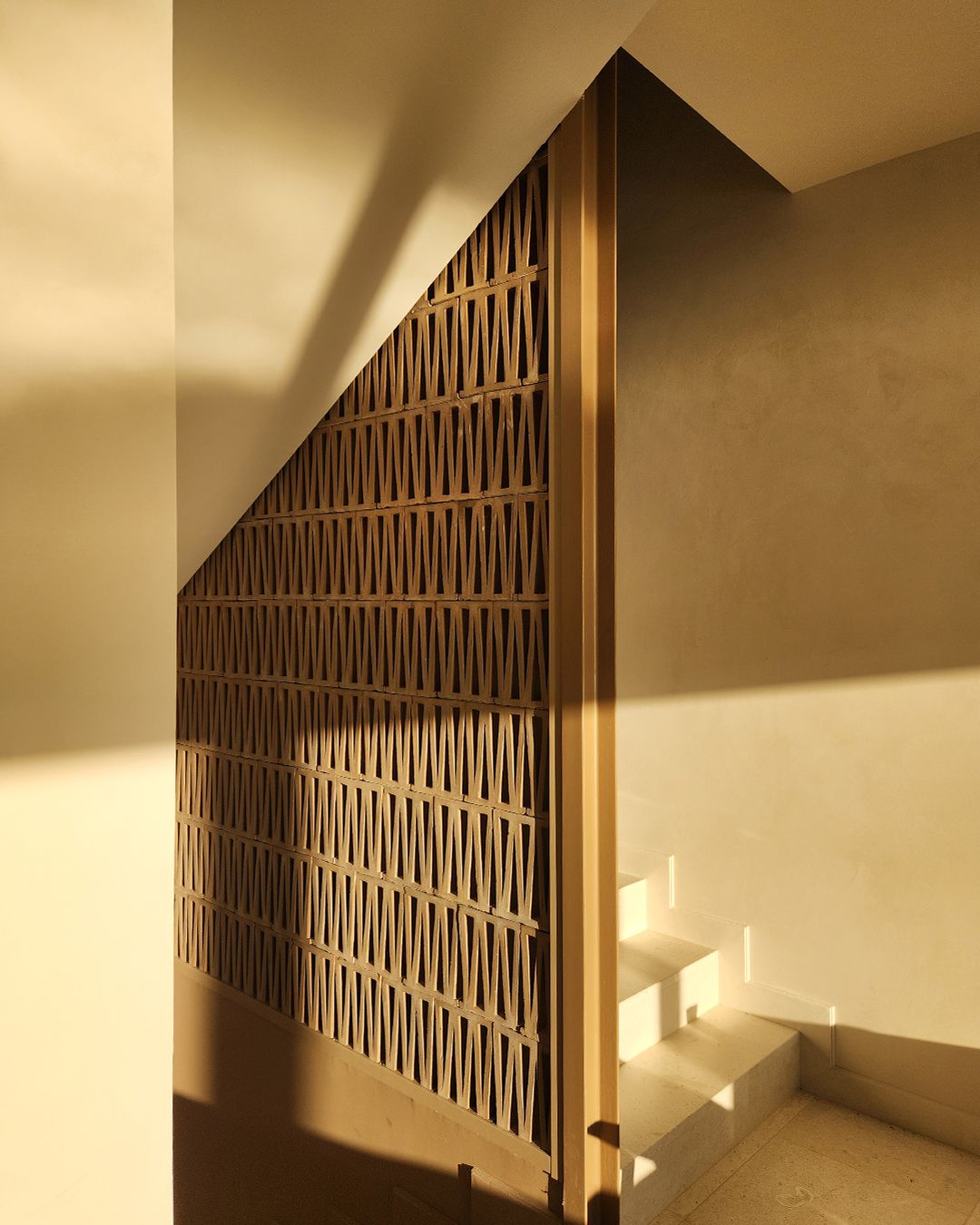
How do you design and coordinate a detailed seaside house in Montenegro while running your studio from Belgrade, with limited site visits and a tight construction timeline?
For Studio AUTORI, the House in Reževići became exactly that kind of challenge. It was also the first project where they introduced VOLUM3 into their workflow from the early design stages.
What started as an “effortless summer holiday house” concept turned into a long and carefully coordinated process. Over several years, the team had to manage design, construction, and procurement across borders, while keeping everything aligned.
An integrated design approach
Studio AUTORI was founded in 2008, during the founders’ final year of studies. Their early project, Mokrin House, set the direction for their practice. What began as a student competition evolved into a five-year project covering architecture, reconstruction, interiors, landscape, and furniture.
“We focus on developing projects through an integrated approach, where architecture, interior, and product design are conceived as a cohesive whole. Our work is driven by the specific character of each context, with consistent attention to proportion, materiality, and the overall spatial atmosphere.”
Clear communication is just as important. The studio emphasizes smooth collaboration with investors, contractors, and suppliers as a key condition for successful project delivery.
The challenge: remote project coordination
The House in Reževići is a private seaside residence on the Montenegrin coast. When AUTORI joined the project, the architectural shell was already completed, so their focus shifted entirely to interior design and coordination.
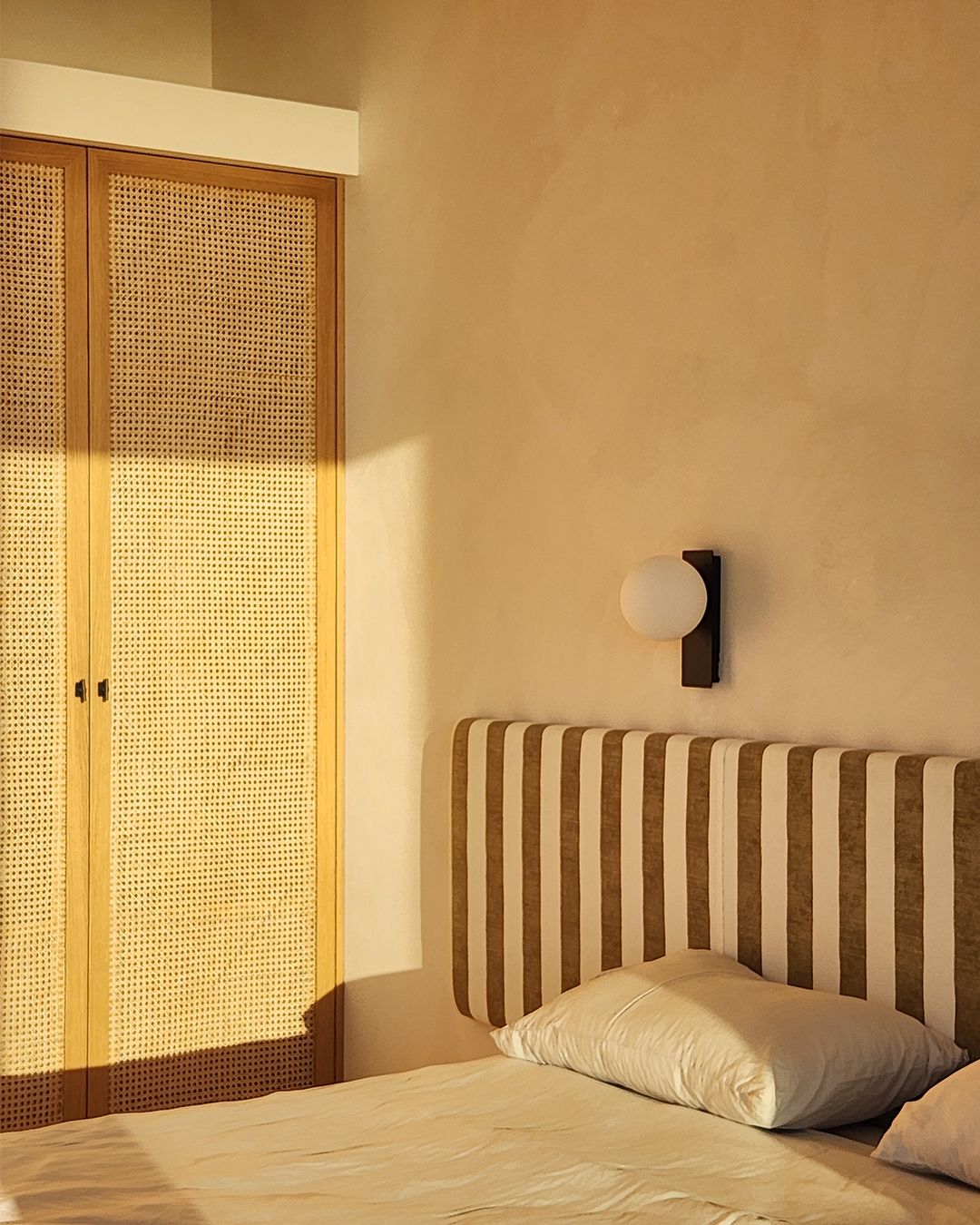
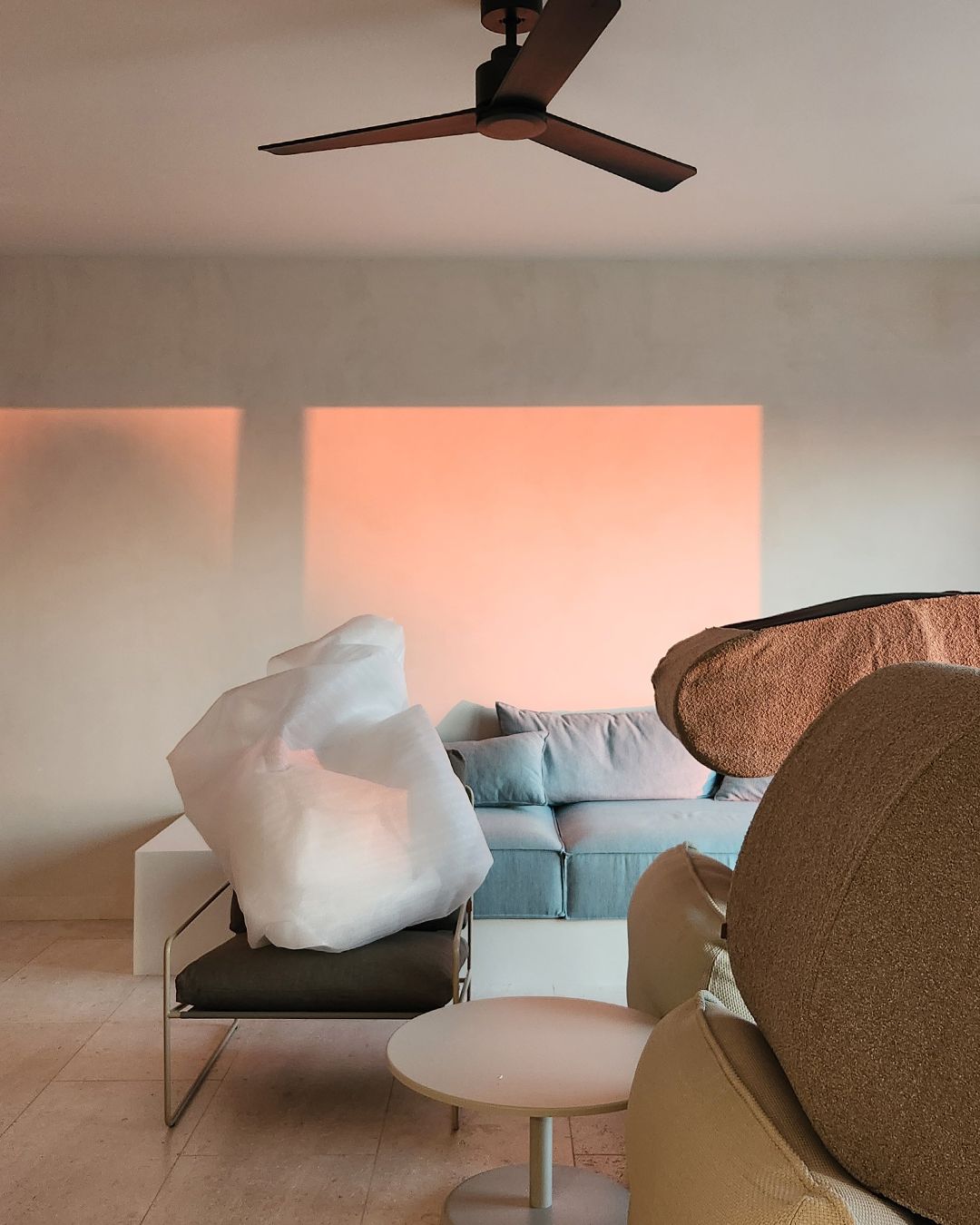
The concept was simple: create a relaxed, light interior that supports a summer lifestyle. In practice, that meant carefully coordinating every detail: from spatial organization to custom furniture and equipment.
The timeline added another layer of complexity:
“The timeline was specific since the construction season there is limited to a certain period of the year. The project started in 2023. It took us 6 months for the design, 1.5 years of construction work, 1 year of the procurement process, and counting, with the aim of finishing everything in the summer of 2026. This will be the first summer the clients are using the house. VOLUM3 came in pretty handy to keep all things together in such a long period of time,” recalls the team at Studio Autori.
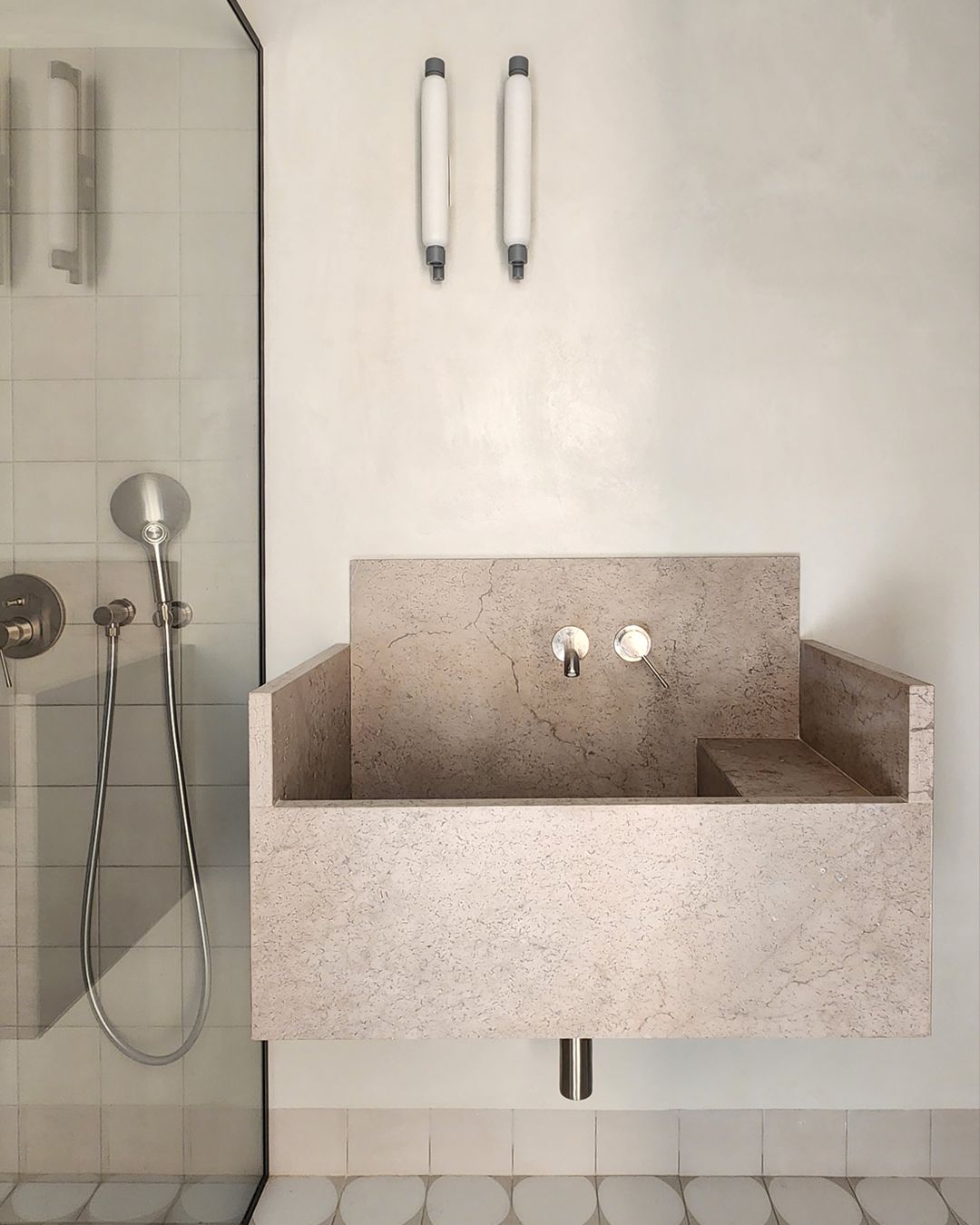
Site visits were intentionally reduced to a minimum thanks to VOLUM3, which helped the team save both time and travel costs for everyone involved. That meant that a lot of what architects normally resolve on site had to be prepared, documented, and communicated remotely, especially for custom furniture and precise fixture installations.
According to the Studio, “every fixture installation would be virtually impossible to coordinate without being present if we weren’t using VOLUM3”.
Using the VOLUM3 platform in a real project workflow
Studio AUTORI started using VOLUM3 in 2023, gradually integrating it into their process. On this project, it became a central tool for managing documentation and maintaining clarity across phases.
They highlight Specifications as the most valuable feature. The structured format made it easier to organize and share detailed information with contractors and suppliers, reducing the risk of miscommunication.
“We found Specifications to be the most useful tool for us on this project. They have a straightforward form, easy to handle, are already well-structured, and well-organized. You just fill in the information and share it with clients, contractors, or suppliers. Specifications were the key aspect for making this a simple and seamless process. Plans were helpful for keeping track of the current version of drawings and the ability to check the drawing revision history, change by change.”

Their workflow is still hybrid. Email, Excel, and PDFs remain part of the process, but VOLUM3 acts as a central source of truth. The Meetings module is used to structure agendas, assign notes to specific topics, and track weekly progress. While clients and contractors were not active users of the platform, most external communication relied on materials exported from it.
Lessons for small and mid-sized studios
For smaller architecture studios considering a project management platform, AUTORI’s advice is practical: start small.
“Try it out on a small‑scale project where you have the time to learn your way of using VOLUM3. It takes some time to invest in feeding the project with information, but it comes in handy later on during the construction and procurement phase.”
For the House in Reževići, the biggest value came from having one place for plans, specifications, and meeting notes. Even in a hybrid setup, that level of organization helped the team stay aligned throughout a multi-year project.

Trg E. Kvaternika 3/3, 10 000 Zagreb, Croatia
+ 385 1 333 1909 info@volum3.com